Community/webstermalcom51/Profile
Everything about myself

- Username
- webstermalcom51
- Name
- -
- City
- -
- Country
- -
- Biography
-
Poppy Pods: Botanical Guide and Ornamental Uses
Plants keep fascinating secrets hidden within their reproductive structures. When the vibrant petals fall away, they reveal a natural masterpiece: poppy pods. These formations offer more than just undeniable sculptural beauty. They play a fundamental role in the survival and seed dispersal of the botanical species Papaver somniferum and other variants within the Papaveraceae family.
If you have an interest in botany, floral design, or specialized agriculture, understanding the nature of these seed pods will open your eyes to perfect natural design. In this comprehensive guide, we explore the anatomy of poppy pods, their development cycle, their ornamental uses, and the correct way to preserve them.
By the end of this reading, you will understand exactly how these structures form, why floral designers value them so highly, and how the plant secures its future through them.
What are poppy pods?
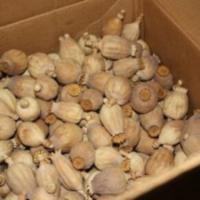
Poppy pods are the dry, dehiscent fruits that the poppy plant produces once the flowering stage concludes. Their primary function is to protect the thousands of tiny seeds developing inside until they reach optimal maturity for dispersal.
At first glance, these structures stand out for their bulbous shape, crowned by a star-shaped disc called a stigma. This design is not accidental. It responds to millions of years of evolution to ensure that seeds disperse with the force of the wind, a botanical mechanism known as anemochory.
Anatomy of the reproductive structure
To understand how they work, we must analyze the parts that make up this capsule:
The pericarp: This is the hard outer wall that protects the seeds. During the growth phase, it is green and fleshy. As it dries, it acquires a light brown tone and a texture similar to parchment paper.
The stigmatic disc: Located at the top, it has a crown or radiated star shape. It functions as the receptive platform for pollen during flowering.
The pores (valves): Just below the stigmatic disc, small holes open when the pod matures and dries. These act like a natural salt shaker for seed dispersal.
The peduncle: The strong, elongated stem holds the capsule upright to maximize seed dispersal during gusts of wind.
Life cycle and plant development
The journey from a tiny seed to a mature pod is an extraordinary botanical process. Observing this cycle allows you to appreciate the efficiency of the plant kingdom.
From germination to flowering
Everything starts when the tiny poppy seeds touch the cold earth. These seeds need light to germinate, so they grow best when sown almost on the soil surface. Within a few weeks, a rosette of lobed, blue-green leaves emerges.
As spring temperatures rise, the plant develops a strong central stem. At the end of this stem, a nodding flower bud forms, protected by two hairy sepals. When the bud is ready, the sepals fall away and the delicate petals unfold, attracting pollinators like bees and butterflies.
Pod formation and maturation
The floral stage is brief, often lasting only a few days. Once pollinators visit the flowers, the petals wilt and fall to the ground. What remains in the center of the flower is the developing ovary, which begins to expand rapidly.
Over the following weeks, this ovary swells to become the green pod. Inside, the seeds change from a pale white color to a dark gray or black tone. When the plant's life cycle nears its end, the water supply cuts off. The pod and stem dry slowly under the sun, changing from vibrant green to a beige or light brown tone. At this point, the pores under the crown open, completing the cycle.
Historical and botanical uses
Over the centuries, these botanical structures have fascinated diverse cultures. From agriculture to decorative arts, the pods have valuable practical and aesthetic applications, always viewed from a strictly descriptive and ornamental focus.
Ornamental value and floral design
In the world of floral design, dried poppy pods are highly coveted elements. Their architectural shape brings texture, volume, and a wild touch to any composition. Florists use them widely because of their unique characteristics:
Durability: Once dry, the pods can last for years without losing their structural shape.
Color versatility: Their natural neutral color fits into almost any design palette. They also accept paint and dyes easily, which allows you to adapt them for festive decorations.
Texture contrast: Their smooth surface contrasts beautifully with softer dried flowers, feathery grasses, or preserved foliage.
Autumn wreaths, winter centerpieces, and rustic-style bridal bouquets frequently incorporate these geometric wonders to add visual interest.
Seed production for gastronomy
Another vital purpose for growing and harvesting these pods is seed collection. Poppy seeds are a staple ingredient in global gastronomy.
When the pod dries completely on the plant, farmers cut the stems and shake the capsules. Each pod can contain thousands of tiny seeds. These seeds bring a nutty flavor and a crunchy texture to an endless variety of recipes, from classic bagels and bread rolls to traditional European pastries like the Polish makowiec.
You must wash and process the seeds used for food properly. This ensures a safe and delicious product for baking and daily cooking.
Conservation and drying pods
If you grow poppies in your garden and want to preserve their pods to create your own floral arrangements, the drying process is fundamental. Proper drying prevents mold growth and ensures the structure remains firm.
Follow these steps to achieve optimal results:
The harvest time: Wait until the pod acquires a yellowish-green or light brown tone on the plant itself. The stem should feel firm but less succulent.
The cut: Use clean pruning shears to cut the stems. Leave as much stem as possible; you can always trim it later based on your design needs.
Preparation for drying: Remove any remaining leaves from the stem. Leaves retain moisture and can slow down the process.
Bundling: Form small bunches of 10 to 15 pods and tie them gently with twine.
The drying process: Hang the bunches upside down in a dark, dry, and well-ventilated area. Avoid direct sunlight, as it can bleach the pods and weaken the stems.
Storage: After two or three weeks, they will be completely dry. You can spray them lightly with an aerosol floral sealer if you want to prevent any remaining seeds from falling out during handling.
Ecological importance and biodiversity
Beyond human use, poppy pods play a crucial role in local ecosystems. The flowers attract a wide variety of pollinating insects. Bees actively collect poppy pollen, which serves as an excellent protein source for their colonies during the spring and summer months.
Once the seeds fall to the ground, they serve as a food source for various small bird species and foraging insects during the winter. The dry, empty pods that remain in the garden also offer microhabitats where small beneficial insects can take refuge from the elements. Therefore, letting some plants complete their natural cycle without harvesting them contributes significantly to maintaining the biodiversity of your environment.
Conclusion
Poppy pods are true marvels of botanical engineering. From their intricate seed dispersal mechanism to their unmatched architectural appeal in floral design, these capsules offer much more than a simple end to a flower's life cycle.
Learning about the plant's anatomy, its maturation process, and the best way to dry and preserve these pods allows you to make the most of the resources nature provides. Whether you are a garden enthusiast, a floral designer, or simply someone who appreciates the beauty of dried plants, poppy pods deserve a prominent place in your botanical repertoire.
Do you want to incorporate these natural structures into your next design project or learn more about growing decorative floral species? Start by reserving a space in your garden this season to sow seeds and observe firsthand the fascinating transformation from seed to perfect pod. - Who are you?
- -
- Gender
- male
- Birth year
- 1970
- Website
- https://primiumpoppypods.com/
- Social Networks